Reliable Agentic AI
Developing comprehensive frameworks to build and verify multi-step autonomous agents, focusing on reasoning consistency, tool integration, and preventing error propagation in complex environments.
PhD student · UIUC
Towards reliable &
trustworthy AI.
I am currently a PhD student at UIUC, supervised by Prof. Haohan Wang. Previously, I was a Research Intern at Qwen Multilingual Team.
Before that, I obtained my master's degree from the College of Computer Science and Technology, Zhejiang University, supervised by Prof. Zhibo Wang, and my Bachelor's degree from Wuhan University, majoring in Computer Science and Technology.
Research directions
My overarching academic goal is to contribute to the development of reliable and trustworthy artificial intelligence.
Developing comprehensive frameworks to build and verify multi-step autonomous agents, focusing on reasoning consistency, tool integration, and preventing error propagation in complex environments.
Investigating intrinsic system robustness and safety to ensure reliable model behavior, moving beyond static evaluation toward dynamic, real-world alignment.
Selected work
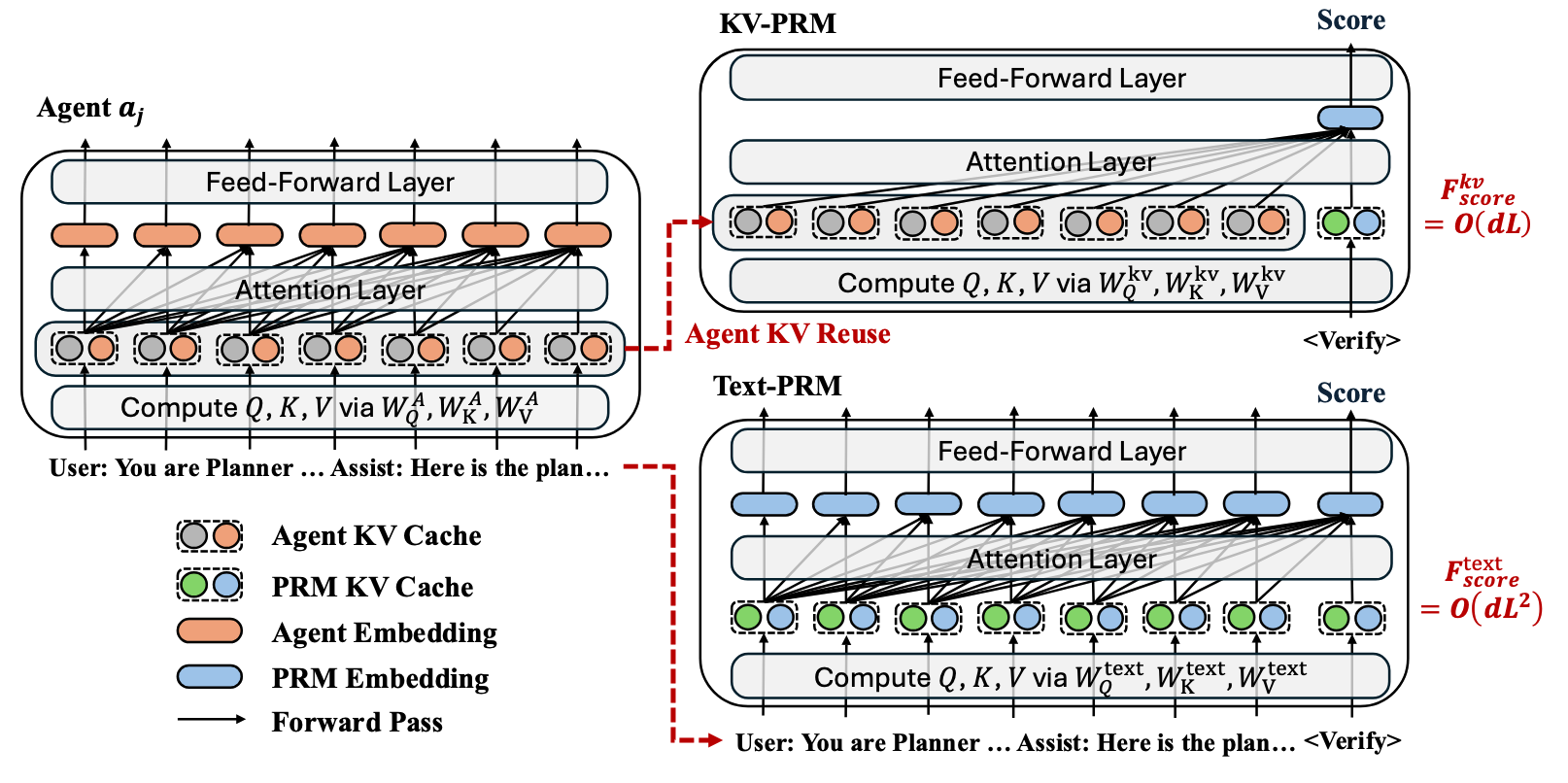
We propose KV-PRM, an efficient process reward model that reuses an agent's KV cache for verification, reducing scoring FLOPs by up to 5,000 times compared with conventional text-based process reward models.
Read paper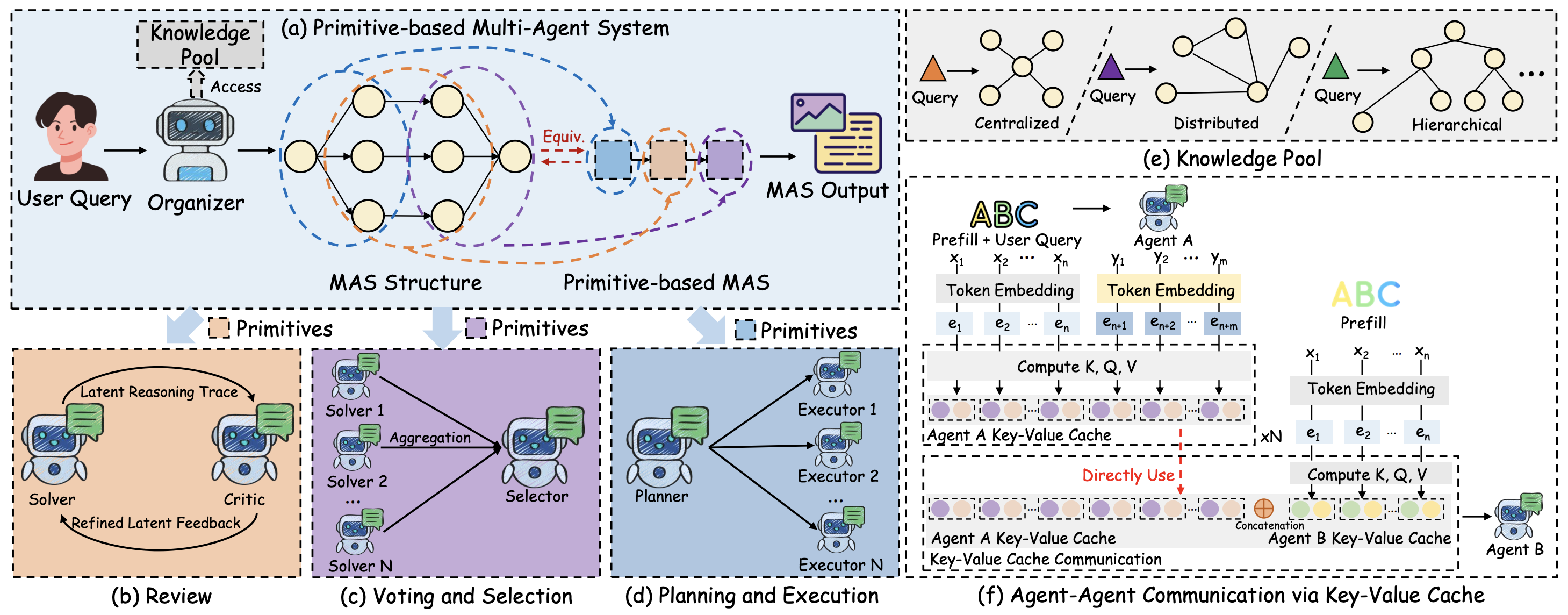
We propose Agent Primitives, a framework that decomposes multi-agent systems into reusable primitives communicating through key-value cache rather than natural language, improving stability and reducing information loss while achieving 12.0-16.5% accuracy gains over single-agent baselines with 3-4x reduced token usage.
Read paper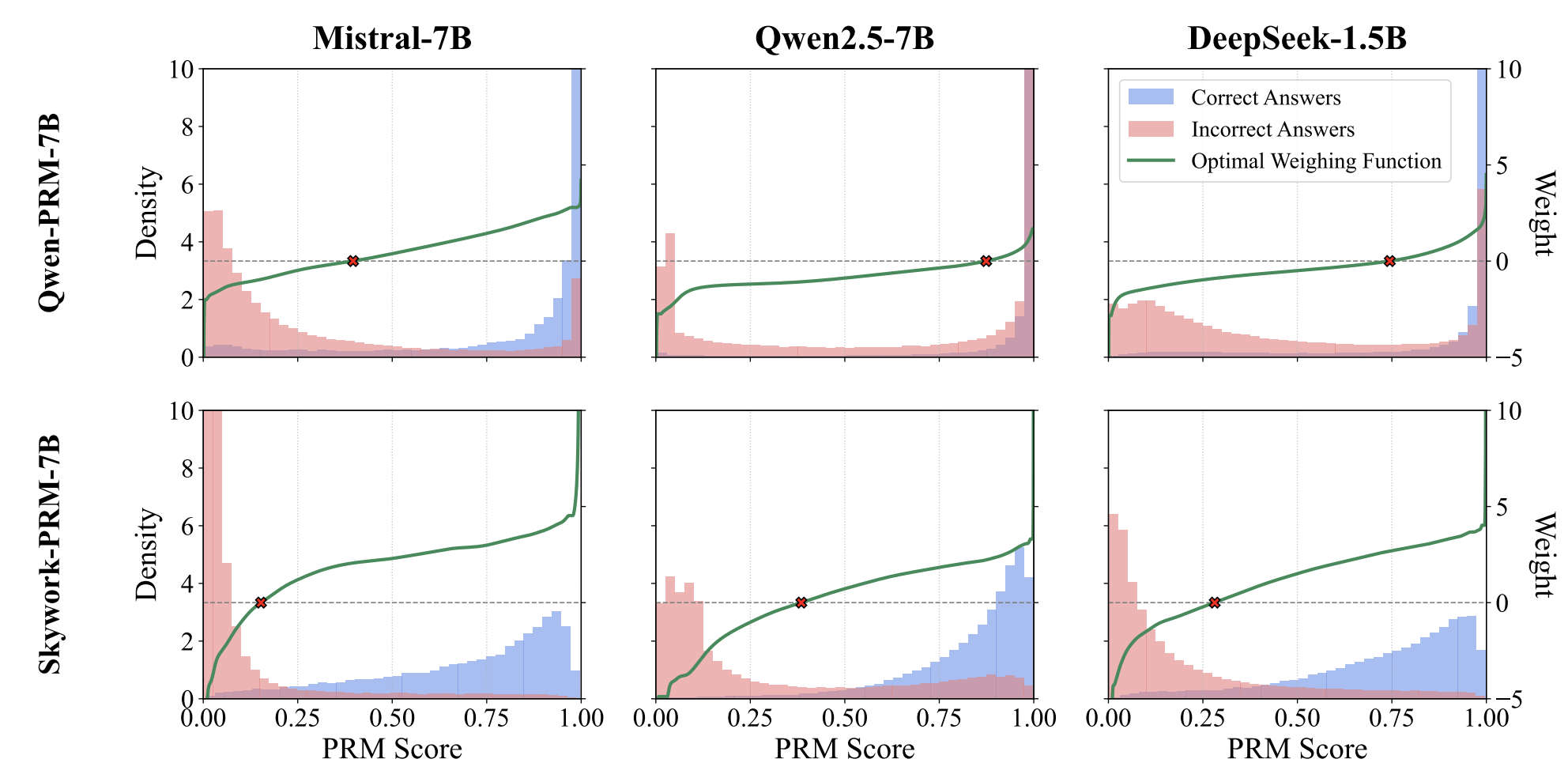
We develop a theoretical framework showing that optimal combination of language model and process reward model signals involves weighted aggregation, and introduce efficient pre-computation calibration methods that achieve comparable performance to standard weighted majority voting while using only ~21.3% of the computation.
Read paper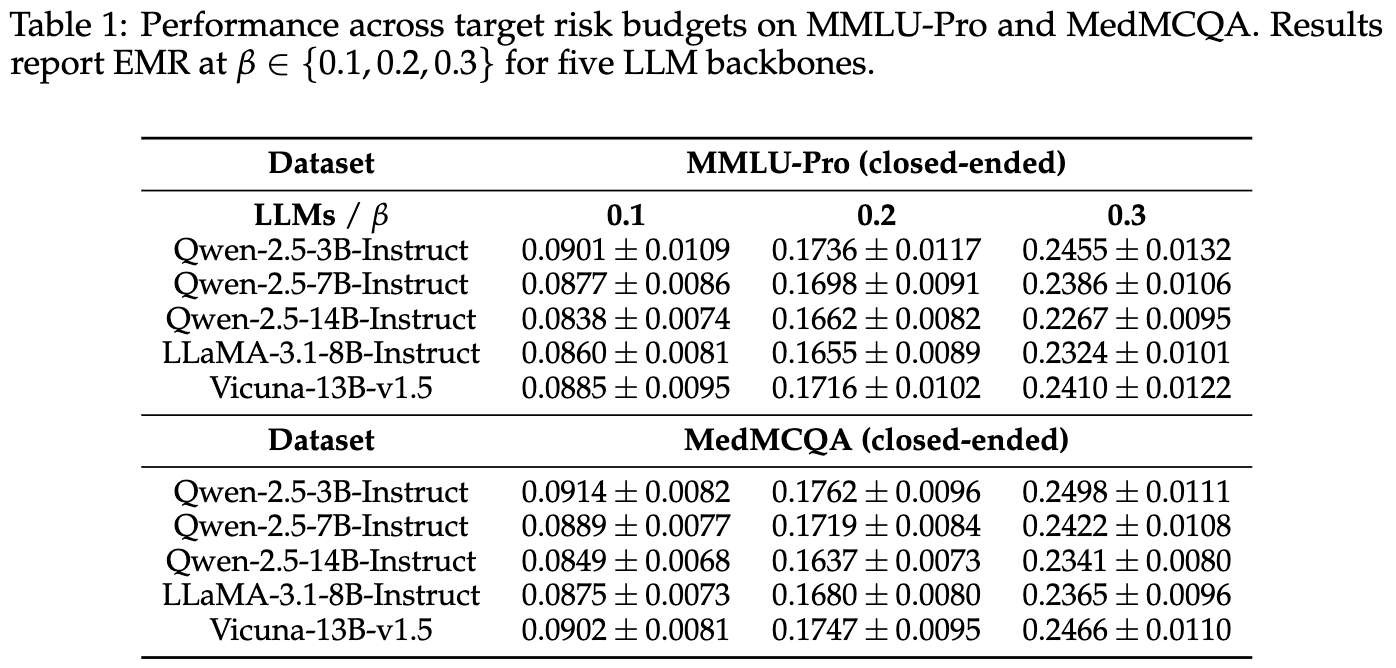
We propose a conformal prediction framework that leverages internal model representations rather than surface-level outputs to improve the reliability of deployed large language models, demonstrating superior validity-efficiency trade-offs especially under cross-domain distribution shifts.
Read paper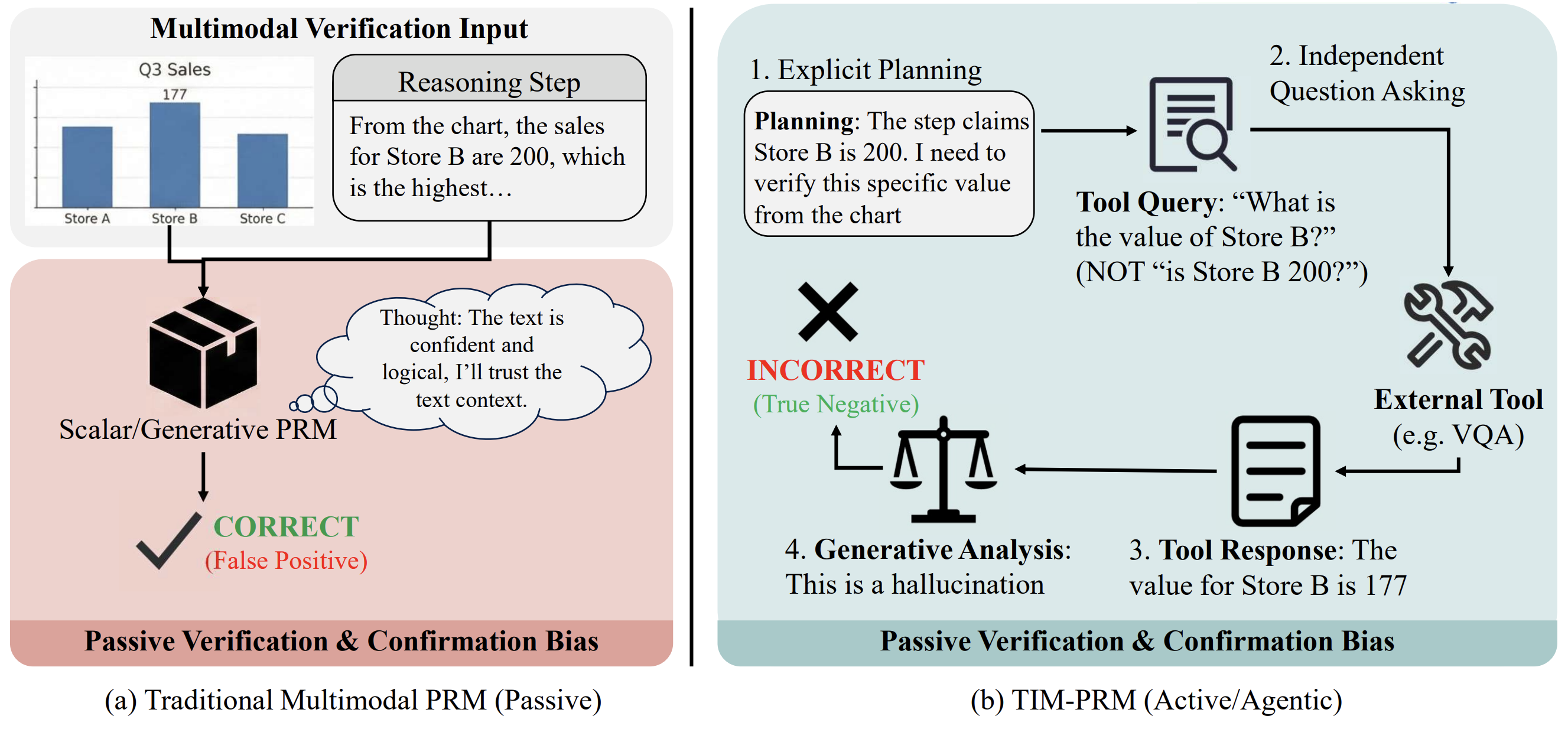
We propose TIM-PRM, an agentic framework that converts verification of multimodal reasoning into an active, tool-augmented investigation rather than passive classification, employing Independent Question Asking to query evidence through external tools and reducing confirmation bias.
Read paper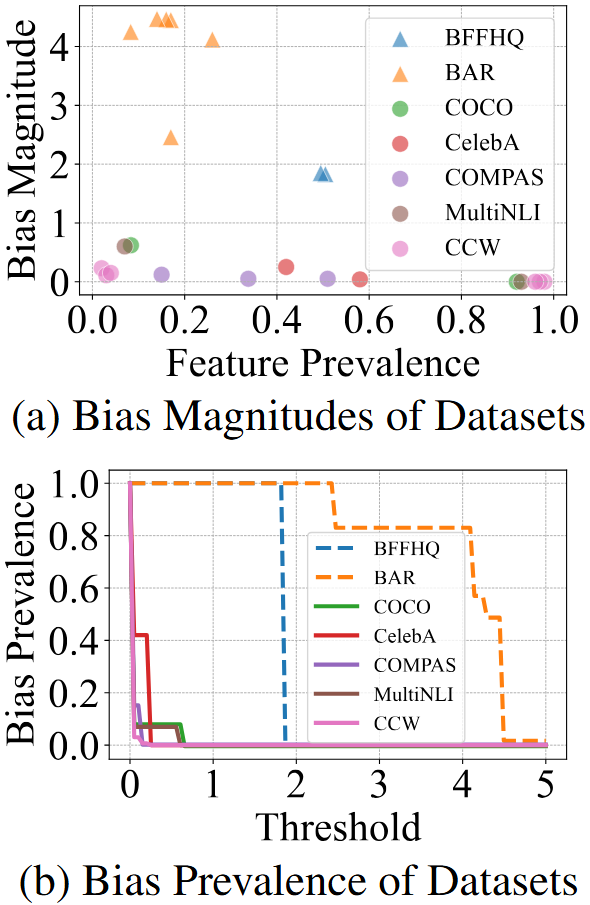
We empirically and theoretically uncovered critical characteristics of real-world biases that not only largely differ from previous assumptions but also cause failure of existing debiasing methods. Through in-depth analysis from a data-centric perspective, We further proposed a principled approach that effectively improves the robustness of models to real-world biases within training data.
Read paper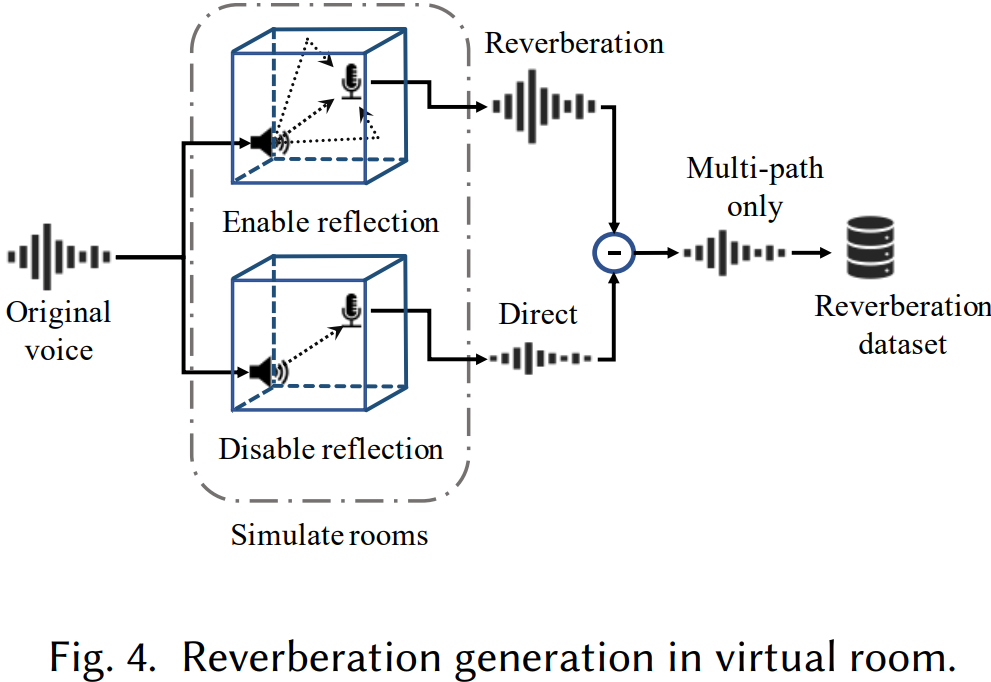
We propose Echo, a physical adversarial attack that leverages natural reverberation to create imperceptible perturbations for attacking audio systems. Our method generates robust adversarial examples that remain effective in real-world environments with varying room sizes and background noise, achieving successful attacks in both digital and physical scenarios.
Read paper